


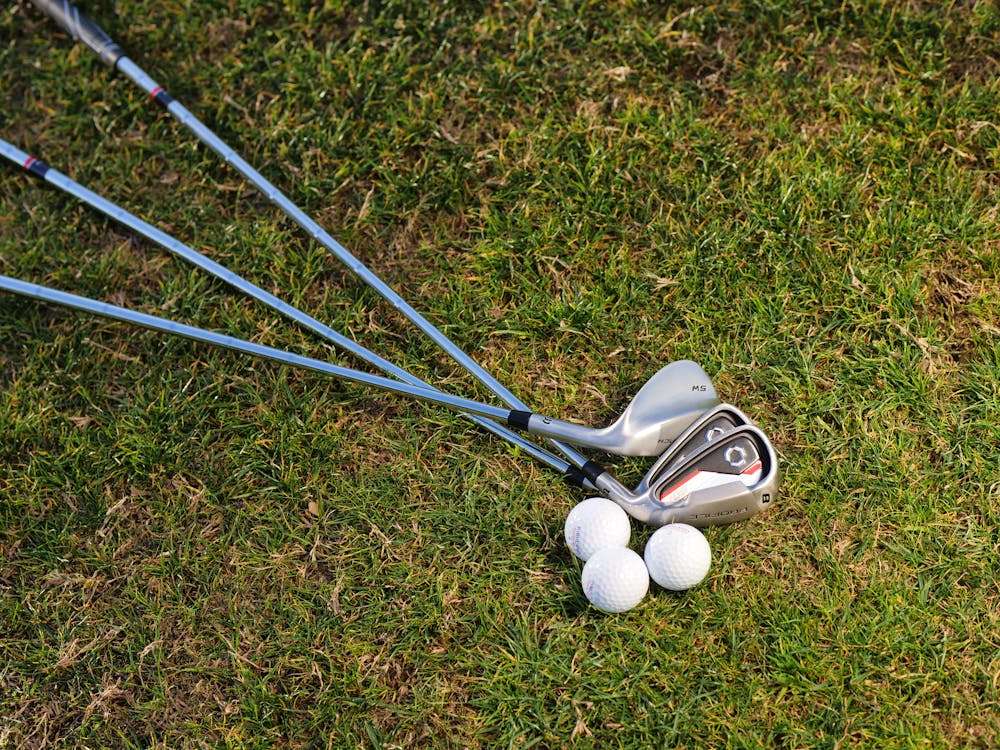
Golf Training Equipment Durability: Tested
Investing in golf training equipment is a commitment to improving your game, but that investment only pays dividends if your gear can withstand regular use. Whether you’re practicing your wrist release mechanics or building your swing foundation, equipment durability directly impacts both your progress and your budget. This comprehensive guide explores what makes training aids reliable, how to evaluate quality, and which tools deliver lasting performance.
Why Training Equipment Durability Matters for Your Game
Golf training aids serve a specific purpose: repetitive reinforcement of correct mechanics. Unlike golf clubs, which you use occasionally during rounds, training equipment typically endures hundreds or thousands of practice repetitions. A poorly constructed training tool can fail mid-session, disrupt your training rhythm, and force you to replace it prematurely.
Durability directly correlates with consistency in your practice. When you trust your equipment to perform reliably, you focus entirely on your swing mechanics rather than worrying about whether something will break. This mental clarity accelerates learning and builds confidence in your technique.
Quality training equipment also maintains its mechanical specifications over time. If a release trainer gradually loosens or flexes differently after months of use, it subtly changes the feedback you receive, compromising your training integrity. Durable equipment provides reliable, consistent feedback throughout its lifespan.
Materials and Construction: The Durability Foundation
Professional-grade training equipment prioritizes robust materials that withstand repetitive stress. The best tools combine several material types strategically. High-density polymers resist cracking and maintain structural integrity through thousands of practice swings. Aircraft-grade aluminum components endure flexing without weakening. Stainless steel fasteners resist corrosion and prevent rust-related failures.
The construction method matters as much as the materials. Equipment assembled with precision machining and tight tolerances maintains its specifications longer than tools with loose fits or sloppy construction. Welded joints are typically more durable than bolted assemblies that can vibrate loose over time.
Look for products that use sealed mechanisms and protected moving parts. Dust covers and protective casings prevent dirt and moisture from entering critical components, which extends equipment lifespan significantly.
Stress Points: Where Training Equipment Fails
Understanding where equipment typically fails helps you identify durability red flags. Hinges and pivot points experience the most stress in release trainers and swing aids. These joints must use heavy-duty fasteners and smooth bearing surfaces to prevent wear.
Connection points between components are vulnerability zones. Where a shaft meets a head or where separate pieces connect, stress concentrates. Look for reinforced designs at these junctions.
Grip areas on swing trainers endure constant friction and pressure. Grips made from durable rubber or synthetic materials maintain their integrity better than inferior materials that harden, crack, or deteriorate. Replaceable grips indicate the manufacturer expected long-term use.
Testing and Certification: Marks of Quality
Reputable equipment manufacturers test their products extensively. Certification from golf organizations or independent testing laboratories indicates the product met rigorous standards. Equipment that passes durability testing has typically survived thousands of simulated uses without failure.
Warranty length often correlates with durability. Manufacturers confident in their products offer longer warranties. A two-year or three-year warranty suggests the makers stand behind their equipment’s longevity.
Look for reviews from long-term users who have tested equipment over years of regular practice. These testimonials reveal whether products maintain their performance and integrity.
Maintenance and Care: Maximizing Equipment Life
Even the most durable equipment requires basic maintenance. Regular cleaning prevents dirt accumulation that can cause wear. Checking fasteners periodically ensures nothing loosens. Storing equipment in dry conditions prevents rust and moisture damage.
Some premium training aids benefit from occasional lubrication of moving parts. Applying appropriate lubricants keeps mechanisms operating smoothly and reduces wear from friction.
Using equipment as designed prevents premature failure. Forcing equipment beyond its intended use or applying excessive force causes stress damage. Following the manufacturer’s guidelines ensures your training aids remain reliable.
Durability vs. Cost: Finding Your Balance
While higher prices often correlate with better durability, the most expensive equipment isn’t always the best value. A mid-range training aid that lasts five years often provides better return on investment than a budget tool requiring replacement annually.
Consider how frequently you’ll use the equipment. Equipment destined for intensive daily practice justifies higher investment in durability. Tools used occasionally can function adequately with lower specifications.
Compare cost-per-year of ownership across equipment options. A $300 tool lasting ten years costs $30 annually, while a $100 tool lasting one year costs $100 annually.
Top Durable Training Equipment: Real-World Performers
Release trainers with reinforced aluminum frames and sealed pivot mechanisms consistently outperform cheaper alternatives. The best models combine comfortable grips, precise mechanics, and proven durability records.
Swing tempo trainers using stainless steel and high-quality polymers maintain accurate feedback year after year. Heavy-duty construction ensures the timing mechanisms remain reliable through thousands of uses.
Impact bags featuring multi-layer construction with dense foam centers and reinforced stitching withstand decades of daily practice swings. Premium models use materials that resist compression and maintain their shock-absorbing properties.
Launch monitors and radar-based training tools from established manufacturers demonstrate exceptional durability. These precision instruments are engineered for longevity and backed by manufacturer support.
Making Your Durability Assessment
Before purchasing training equipment, physically inspect it if possible. Feel the weight and quality of materials. Test moving parts for smooth operation and solid construction. Check that fasteners are tight and secure.
Read independent reviews focusing on long-term durability. Watch for consistent themes about how products hold up over time. Be skeptical of equipment with numerous complaints about premature failure.
Ask experienced golfers about their equipment. Coaches and serious practice enthusiasts have real-world experience with which tools withstand years of intensive use.
Conclusion: Investing in Equipment That Lasts
Golf training equipment durability directly impacts your practice effectiveness and long-term value. Investing in well-constructed tools made from quality materials ensures reliable feedback and consistent performance throughout your training journey. While durable equipment requires higher initial investment, the extended lifespan and reliable performance deliver superior return on investment compared to cheaper alternatives requiring frequent replacement. Select training aids from manufacturers known for quality construction, backed by warranties and positive long-term user reviews. Your commitment to improvement deserves equipment that will support your progress for years to come.